“The world will not be destroyed by those who do evil, but by those who watch them without doing anything.”
Albert Einstein
Why are we not doing more to stop climate change?
Natural Human Habits
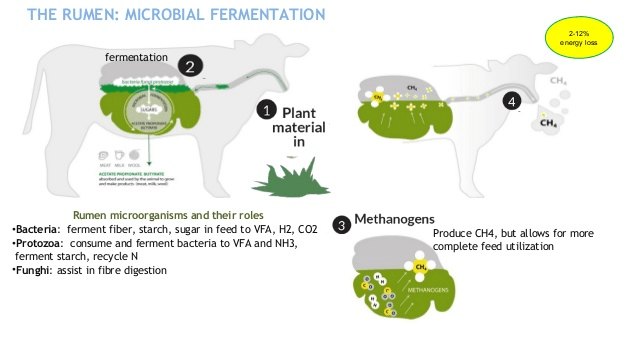
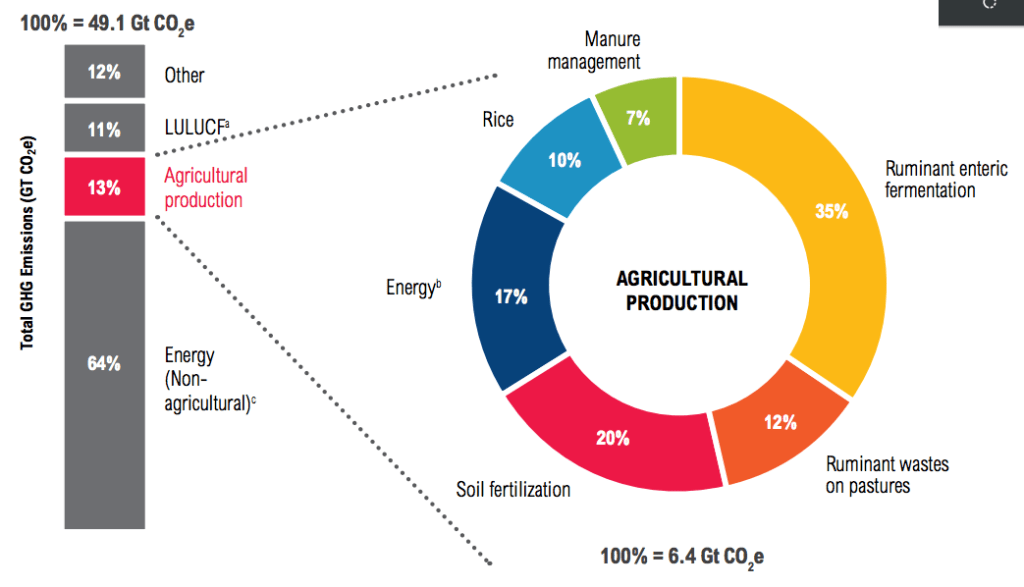
A critical reason as to why we are not doing everything we can to stop this global crisis is because of our natural human habits. For instance, our appetite for meat and specifically beef is a major driver of climate change. Reducing our meat consumption will help reduce global warming to below the “danger level” of 2 degrees Celsius. Since 1880 we have increased the global temperature by almost 0.8 degrees Celsius or 1.4 degrees Fahrenheit. The effects on our planet will be catastrophic if we do not lower our carbon footprint on the planet which is causing and trapping heat in turn leading to increased global temperatures. The livestock sector accounts for almost 15 percent of total global emissions. This is equivalent to exhaust emissions from all vehicles in the world. A shift in our diet and eating habits could help reduce our emissions by a quarter of what we need to keep Earth below that 2 degrees Celsius mark. In industrialized countries, the average person is eating twice as much meat as what is deemed healthy by most expert nutritionists. Overconsumption of meat is not just leading to an unhealthy environment it’s also leading to increases in obesity, heart disease and type 2-diabetes. In spite of the benefits of lowering and addressing meat consumption, government intervention is unlikely do the fear of public backlash as well as a lack of public knowledge and awareness on the topic. Public awareness of the link between climate change and dietary choices is low. Exposing people to the facts and spreading awareness could bring on government intervention which would greatly help in reducing climate change.
Global Impact
Another major reason for why we are not doing more to bring about change is because of the immediate negative national and global economic impact it would have. According to the U.S. Energy Information Administration, 76% of U.S. greenhouse gas emissions came from the burning of fossil fuels. The answer is simple, we need to lower fossil fuel consumption but doing so leads to many problems. For instance, let’s take a look at coal and its use and function in the United States. Coal is primarily used to generate electricity and is responsible for 30% of the electric supply in the United States in 2017. Coal as we know can be incredibly detrimental to the environment. The combustion of coal releases harmful pollutants like sulfur dioxide, nitrogen oxides, and mercury. The mining industry also causes harm and contamination of vegetation and top-soil as well as contamination of rivers and streams due to the mines byproducts and waste. However, none of those are as catastrophic to our environment as the greenhouse gas emissions as a result from the combustion of coal which is responsible for 32% of the greenhouse gas emissions in the United States. Getting rid of coal consumption and its use would be an incredible start to lowering greenhouse gas emissions but this elimination comes at a large cost. The US coal industry is a 56-billion-dollar industry that employees around 54,000 individuals. Eliminating this industry could not only hurts jobs but also impact the US economy as this would lead to less coal exports. Inevitably the coal industry allows our economy to maintain an international relationship.
The following video is from Vox and describes the connection with human diet and climate change.
 Environmental Changes